
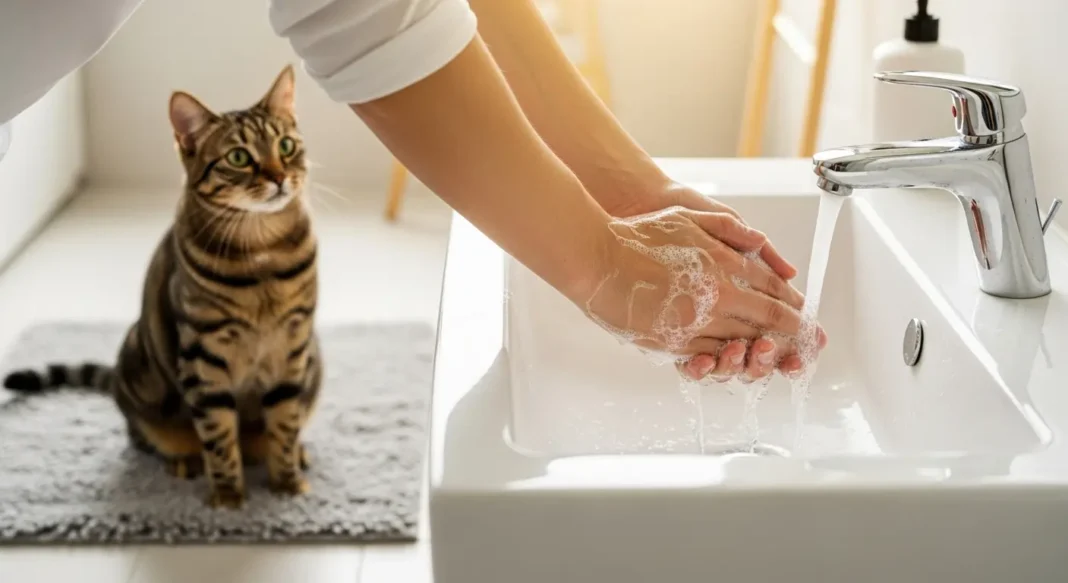
You know, the actual chance of your indoor cat making you sick is incredibly small. I find that most of my job isn’t treating these rare illnesses, but simply talking worried owners through their fears. It almost always comes down to the same simple, comforting advice: love your cat, and just be sure to wash your hands.
One of the things you don’t really learn in veterinary school is that a huge part of your job has very little to do with medicine. It’s about managing human emotion. Fear, especially. It’s the kind of conversation that so often starts with a client’s whispered, anxious question. Seeing it end with a relieved smile is really the best part of my job.
A Conversation About a Future Family
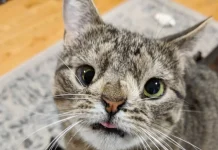
A young couple, Mark and Sarah, came in with their one-eyed tabby, Gus, and I could tell something was wrong. They were expecting their first child, which should have been a happy visit, but a relative had told Sarah she had to get rid of Gus. The word “toxoplasmosis” had been thrown around, and she was in tears.
We sat in the exam room for a long time, just talking. I explained that I’ve had this conversation hundreds of times. I told them that, yes, toxo is a real thing, but the chain of events that would have to happen for their beloved, indoor-only Gus to be a risk was so unlikely. We started talking about other things, like whether they ever ate rare steak or did any work in the garden. They both nodded. “Honestly,” I said, trying to reassure them, “the odds are so much higher from those things than from Gus here.” We talked about how the parasite takes a day or two to even become infectious in the litter box. Mark immediately jumped in. “I’ll scoop it. Every morning. No problem.” And just like that, the fear in the room vanished.

A Kitten, a Scratch, and a Simple Lesson
It reminds me of a family who brought in their new kitten just last spring. Their young son had a tiny, faint scratch on his arm from playing, and the mom was worried. “I read something about Cat Scratch Fever,” she told me, and her voice was tight with that specific kind of parental concern. I took a look at the scratch, which was already healing, and then I turned my attention to the kitten.
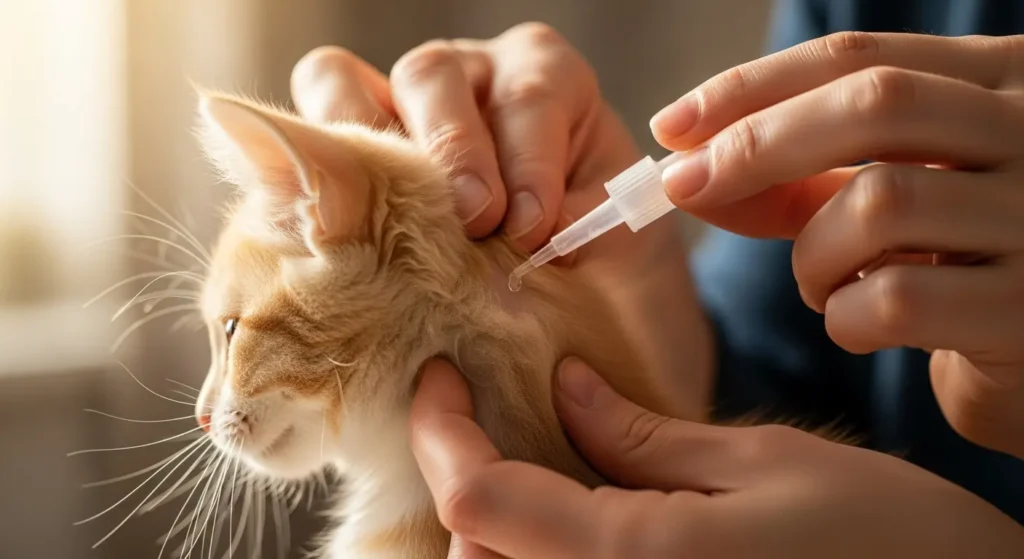
Instead of launching into a lecture about bacteria, I just started my normal kitten exam, and while combing through its fur, I saw it. A few tiny specks of what looked like black dirt. “Well, here’s our culprit,” I said cheerfully, showing her the flea comb. “This is flea dirt. The best way to make sure a little scratch is just a little scratch is to make sure our kittens are flea-free.” Her whole posture changed. The fear of some mysterious “fever” was replaced by a simple, solvable problem. Getting the kitten started on its first dose of proper flea prevention was the next logical step.
That Time a Kitten and a Kid Had Matching Itchy Spots
My favorite story, though, is of a mom who rushed in one afternoon in a state of near-panic. She had her son, who was about eight, and their new rescue kitten in a carrier. “They both have it!” she said, showing me a weird, circular, scaly patch on her son’s forearm, and then pointing to a similar thinning spot on the kitten’s ear.
You know, the name itself is just awful, isn’t it? Ringworm. I could see the horror in her eyes. “Okay, let’s take a look,” I said, keeping my voice as calm as a Sunday morning. After a quick exam, I smiled. “Good news. It’s not a worm. It’s just a pesky little fungus.” I explained that I think of it as a nuisance, not a nightmare. Annoying, for sure, but totally treatable. We got the kitten started on some medication, and I gave her the name of an over-the-counter antifungal cream for her son to use, advising her to check with her pediatrician, of course. The whole visit was about lowering the temperature, turning a terrifying unknown into a manageable inconvenience with a clear, simple plan.
In all these years, the story is always the same. The fear is big and loud, and the solution is almost always small, quiet, and simple. It’s a conversation that starts with “Can my cat make me sick?” and ends with the quiet understanding that the real answer is to just love your cat, wash your hands, and enjoy your life together.